A lot of the magic happened under the hood, but you’ll feel the difference when you use it. Here’s what’s new:
🍱 New Launches:
💸 Enhanced Cash Application!
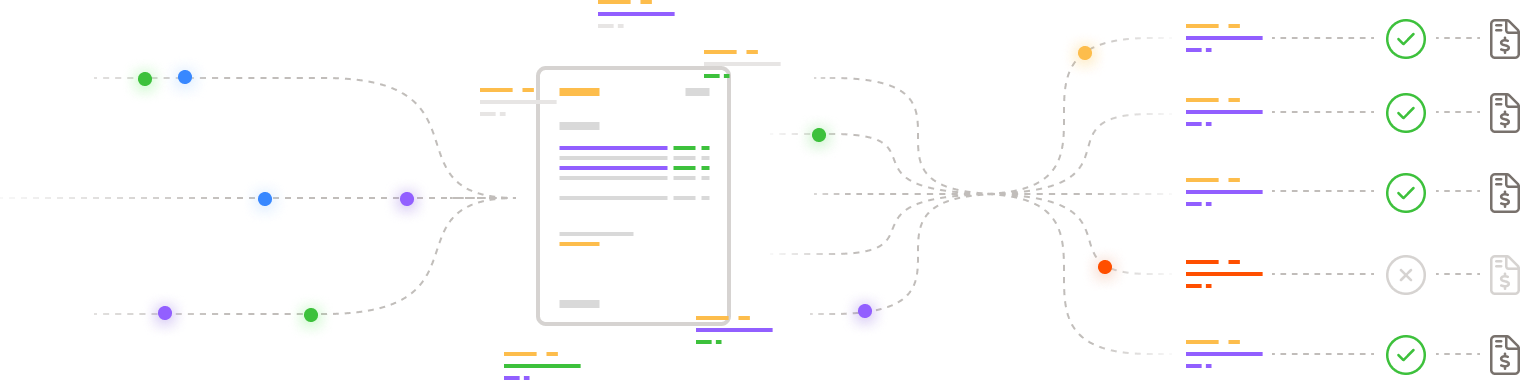
Our latest algorithm update automates matching to speed up cash application and reduce manual effort.
📄 Account Statements – Now live!
Alongside accepting payments via a dedicated landing page, customers can now view detailed account statements—ensuring full transparency.
🍣 there's more . . .
Plaid Integration – Securely connect bank accounts for seamless payments and financial data syncing.
Stronger LLM Infra & Observability – More robust tracing, monitoring, and reliability for AI-driven workflows.
Task Attachments – Easily attach invoices directly to tasks, powered by Stuut’s recommendation engine.
Customer Tags – Organize, filter, and segment customers like a pro.
Outreach V2 – A complete revamp with more flexibility and control over your outreach efforts.
Call Agent Customization Upgrades – Fine-tune your AI agent’s behavior for even better customer interactions.
Task Analytics – Deeper insights into task performance and completion rates.
🍶 Coming Soon:
Prompt-based Dashboard – Search, manage, quickly pull up reports, perform complex tasks, and more—all with simple prompts.
Deductions & Claims – Backend work + V1 design to support smoother deduction and claim management.
Onboarding – A prompt-based onboarding experience for both the platform and new features.
Analytics – Basic analytics dashboard + BI tool setup design to bring key insights into focus.
💡 Pro Tip: Stuut now uses AI to identify relevant contacts within your customers’ companies, helping you find new potential points of contact for outreach. No more guessing—let AI do the work!
Check out the new features and start making the most of them today. 🚀
Lower is better because it means cash reaches your account faster. A DSO of 35 days is better than 55 days if your payment terms are the same.
Does DSO include current AR?
Yes. DSO reflects the total dollar amount you're owed from outstanding invoices, including invoices that aren't yet due.
How does bad debt affect DSO?
Writing off bad debt reduces your AR balance, which artificially lowers DSO even though no cash was collected. Ensure your AR figure is net of bad debt reserves for accurate measurement.
Should I calculate DSO monthly or annually?
Both. Annual DSO tracks long-term trends, while monthly DSO helps you spot process problems quickly and take corrective action before they compound.
What's the difference between DSO and CEI?
DSO measures collection speed in days. CEI measures collection quality as a percentage. A company can have low DSO but poor CEI if they're writing off accounts aggressively.
Can I reduce DSO without upsetting customers?
Yes. Proactive communication before due dates, helpful reminders, and fast dispute resolution improve customer experience while accelerating payment.