Six New Capabilities. One Agent Built for How Your Business Actually Runs.
Learn how Stuut built Ask Stuut, an AI analyst for accounts receivable, using governed data pipelines, semantic views, tenant isolation, and evals to deliver trustworthy AR insights.
Author:
Emma Teng
Published:
7/21/2026
Every Stuut engineer can spin up a full masked copy of production in seconds, with real row counts and real data skew, because our schema labels drive the masking rules directly. A blocking schema test and an AI code reviewer both enforce that any column marked sensitive has a masking rule before the change can land.
Jason Jho
7/2/2026
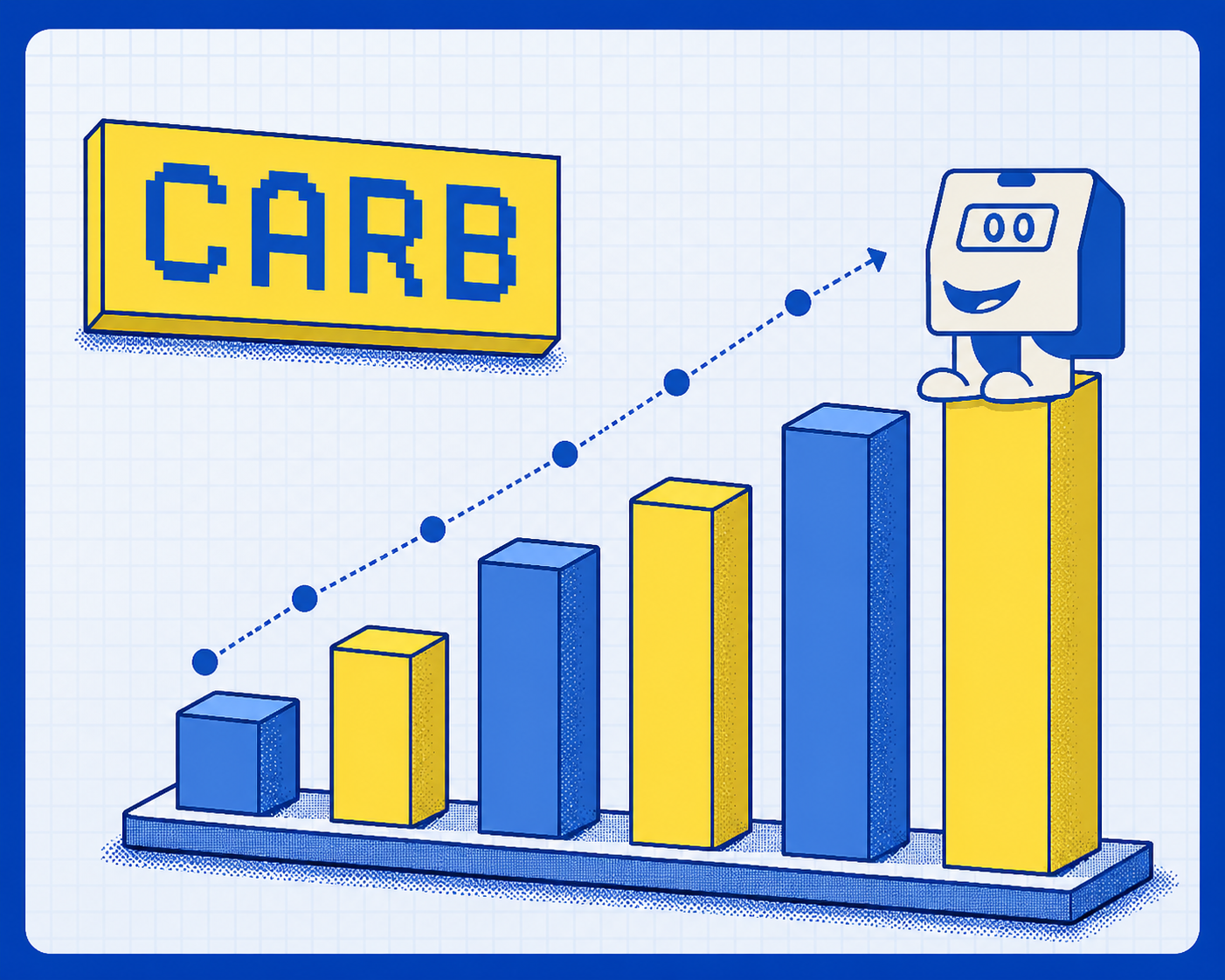
CARB (Collections and Accounts Receivable Benchmark) is a 168-task suite that measures how reliably AI agents handle real B2B finance work like cash application, collections, and deductions, using 969 strict pass/fail criteria graded against synthetic company ledgers. Baseline results show top models passing 80 to 87 percent of tasks with tool access, while revealing which AR workflows are production-ready today and which still need human review.
6/30/2026
Ben Winter
4/24/2026
Every customer we onboard eventually asks the same question: "Where do I go to tell the agent how to handle this?" Until now, the honest answer was... a few different places. Collection strategies in one spot, escalation contacts in another, payment terms and reason codes somewhere else, and company-specific policies that never made it into the system at all. Playbooks changes that.
4/14/2026
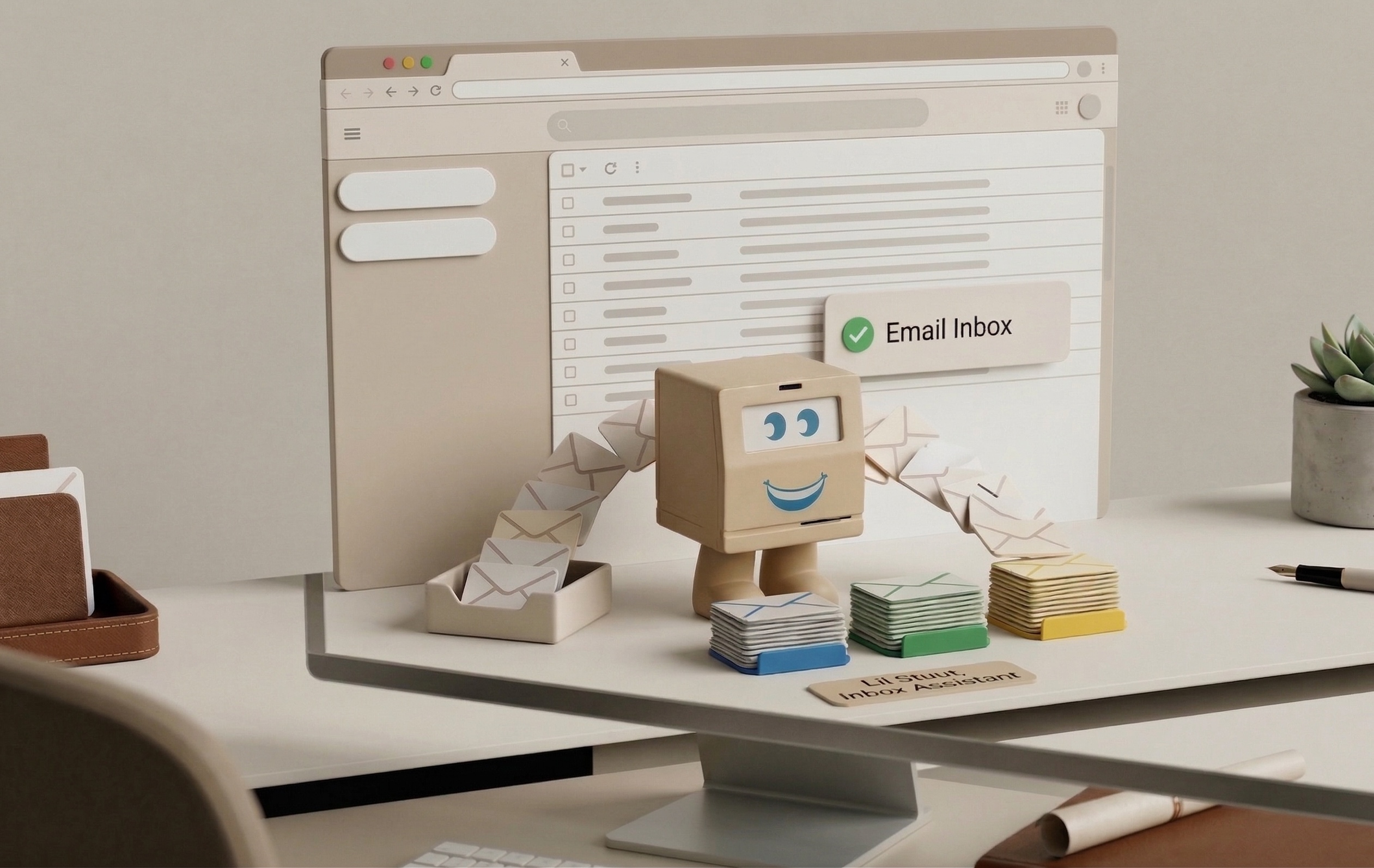
Stuut now captures every inbound email that lands in your shared AR mailboxes, including payment promises, disputes, invoice requests, and out-of-business notices, and routes it to the right place automatically.
4/1/2026
Learn how to calculate DSO using the standard formula and Countback Method with step by step examples for accurate AR measurement. You will see exactly when to use ending AR versus average AR and how the Countback Method handles seasonal fluctuations the standard formula misses.
Tarek Alaruri
2/25/2026






%20STUUT%20_%20WSJ%20Banners.pdf%20(4).png)